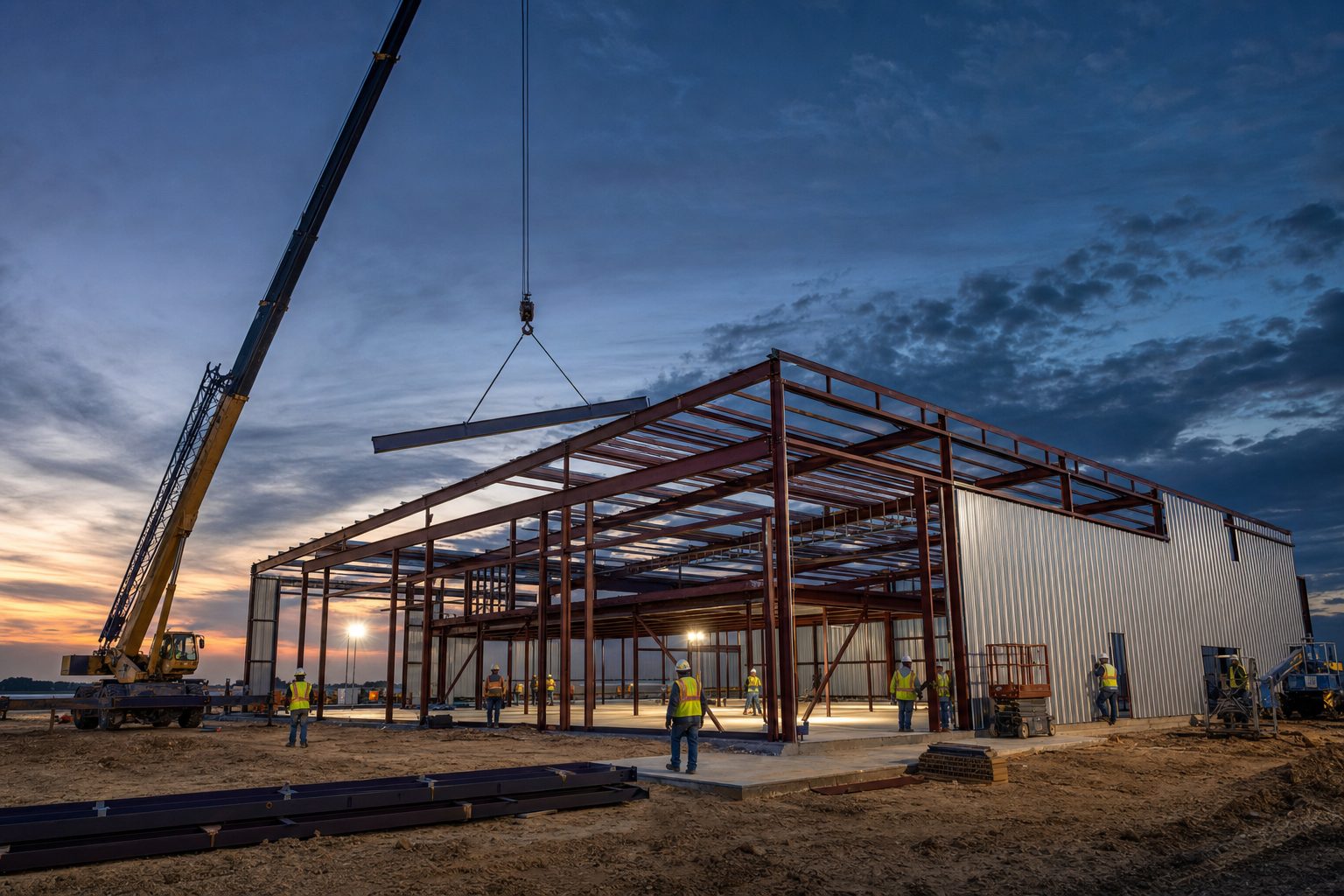
Preconstruction & Estimating
Preconstruction Is Where Projects Are Won
The most expensive mistakes on a commercial project happen before anyone breaks ground. Here is how we use AI-assisted property research to set every project up for success before boots ever hit the ground.
The most expensive mistakes on a commercial project don't happen during framing. They don't happen at closeout. They happen before mobilization, when the site was selected, the scope was defined, and the budget was set on assumptions nobody verified.
Every builder has seen it. A slab that needs a thicker section because nobody pulled the soils report for that part of the county. A permit review that takes eleven weeks instead of four because the parcel sits in a jurisdiction with its own drainage ordinance. A steel package priced against drawings that contradicted the specifications on the very first sheet. None of those problems started in the field. They were baked in on day one and discovered at the worst possible time.
That is why we treat preconstruction as the most important phase we deliver, and why we've rebuilt how we do it around AI.
What We Know Before We Price a Job
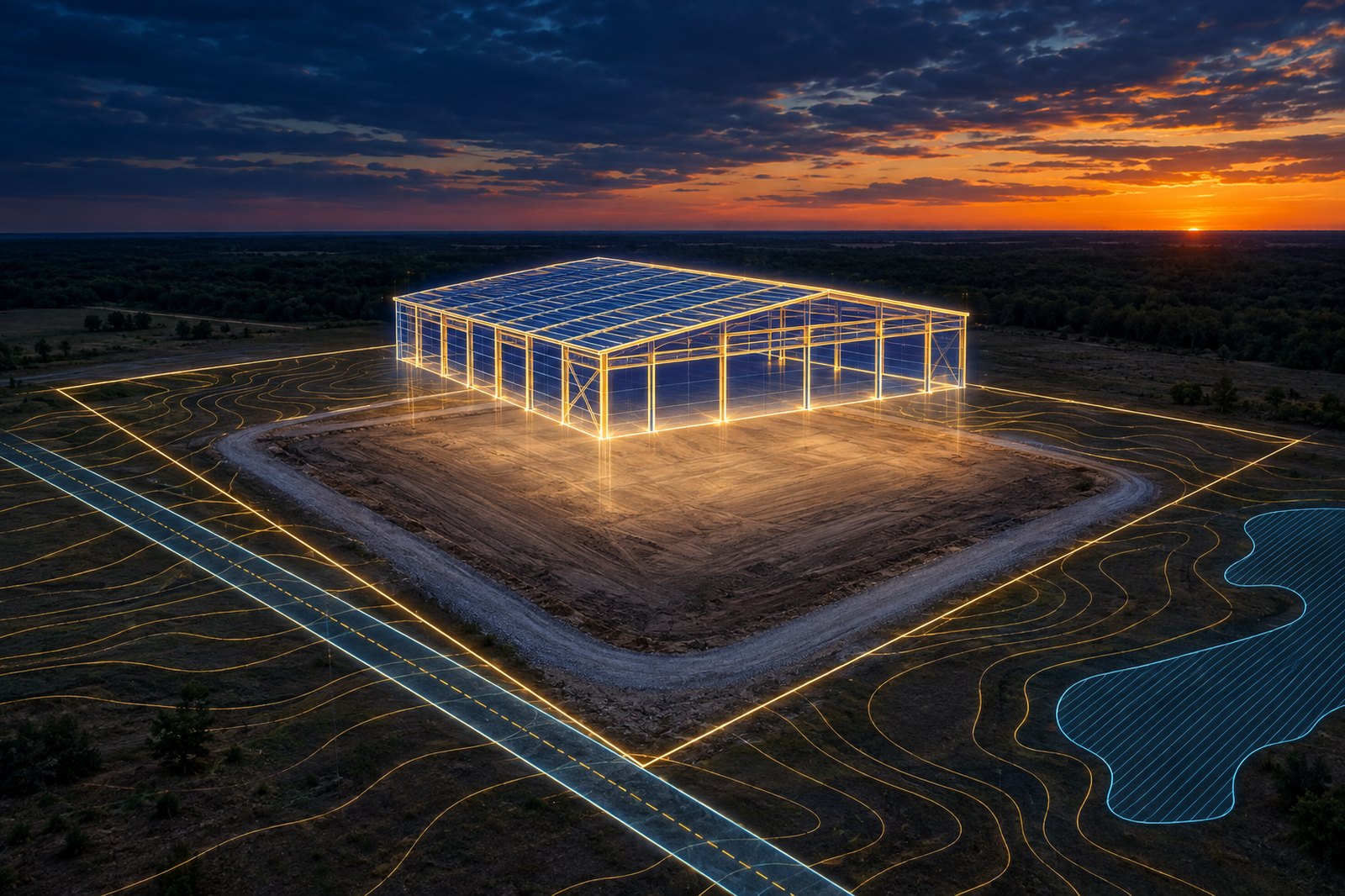
Before a GRAMS estimate goes out the door, we've already done the property research most contractors save for after award. Using AI-assisted research tools alongside county records, GIS data, and jurisdictional code libraries, we compile a site intelligence file that answers the questions that actually move the number:
- Ownership, zoning, and jurisdiction. Who owns the parcel, how it's zoned, which city or county has authority, and which inspectors and review departments we'll be answering to.
- Site constraints. Floodplain status, recorded easements, utility availability and tap locations, and what the soils in that area typically do to a foundation design.
- Permit path and schedule drivers. Plan-review timelines, impact fees, platting requirements, and any third-party approvals that will control the critical path more than the trades will.
- Document conflicts. Where the plans and specifications disagree with each other, so RFIs go out on day one instead of week six.
- Real risk, line by line. Which items carry long-lead procurement, price volatility, or scope ambiguity, so allowances are flagged in the open rather than buried in the lump sum.
Boots on the ground should be the confirmation of a plan, not the beginning of one.
Where AI Fits, and Where It Doesn't
AI doesn't replace the estimator or the superintendent. It gives them a complete picture in hours instead of weeks. Work that used to mean a full day of pulling appraisal-district records, reading zoning ordinances, and cross-referencing spec sections now happens in the background while our team focuses on judgment calls: how to sequence the site, where the value-engineering opportunities are, and which risks are worth carrying versus pricing out.
The result is a tighter takeoff, an honest schedule, and an owner who sees the risks up front instead of in a change order. We still walk every site. We still call the utility provider and the plan reviewer. The technology just means we walk in already knowing what to ask.
What This Means for Owners
If you're an owner or developer, the practical benefit is simple: fewer surprises. A GRAMS proposal separates qualified scope from allowances, calls out missing information, and flags long-lead items before you commit. When we say a number, it is built from a full quantity takeoff and market-researched unit pricing, not a square-foot guess, and it comes with a schedule that already accounts for the permit path on your specific parcel.
That discipline is also what lets us say yes to the harder work: design-build metal buildings, projects that need concept-level budgeting before drawings exist, and jobs another contractor left unfinished. In every one of those cases, the answer starts with understanding the property better than anyone else at the table.
Sitting on a site?
If you own or are evaluating a parcel and want to know what it will really take to build there, that is the conversation we'd like to have before you commit. Preconstruction consultations and estimates are free.
Start a Project
Michael Ramirez
Managing Partner, Business Development at GRAMS Construction, LLC. Michael leads preconstruction, estimating, and client relationships across the company's metal building, concrete and sitework, and commercial interiors work in Texas.